How to prepare for a camping trip? A Complete Guide for Beginners
Hiking is a great way to get a change of scenery, get some fresh air, and reset head. But to make sure the adventure really does leave pleasant memories rather than problems, it pays to prepare properly. Here are simple and useful tips to help make hike safe and comfortable.
1. Evaluate strengths sensibly
Choose a route that matches the experience and physical abilities of all participants. Easy trails are suitable for beginners, but difficult trails require not only endurance but also good orienteering skills. Use the difficulty markings:
- Green circle easy
- Blue square moderate
- Black diamond difficult
- Two black rhombuses route high difficulty
Remember: the average beginner walks about 2-2.5 kilometers per hour on a nature trail.
2. Study the route and weather forecast
Before hike, check the latest information on trail conditions and be sure to bring a map. Additionally, a compass and GPS will come in handy. Even with full confidence in a mobile device, network connectivity can fail unexpectedly at critical moments.
3. Hike in a group
Hiking alone is suitable only for experienced hikers. A group hike is safer, and if a force majeure happens, there will always be support.
4. Communicate plans
Always leave information about route and return time with someone. This will make it much easier to find them if there are problems.
5. Assemble a basic safety kit
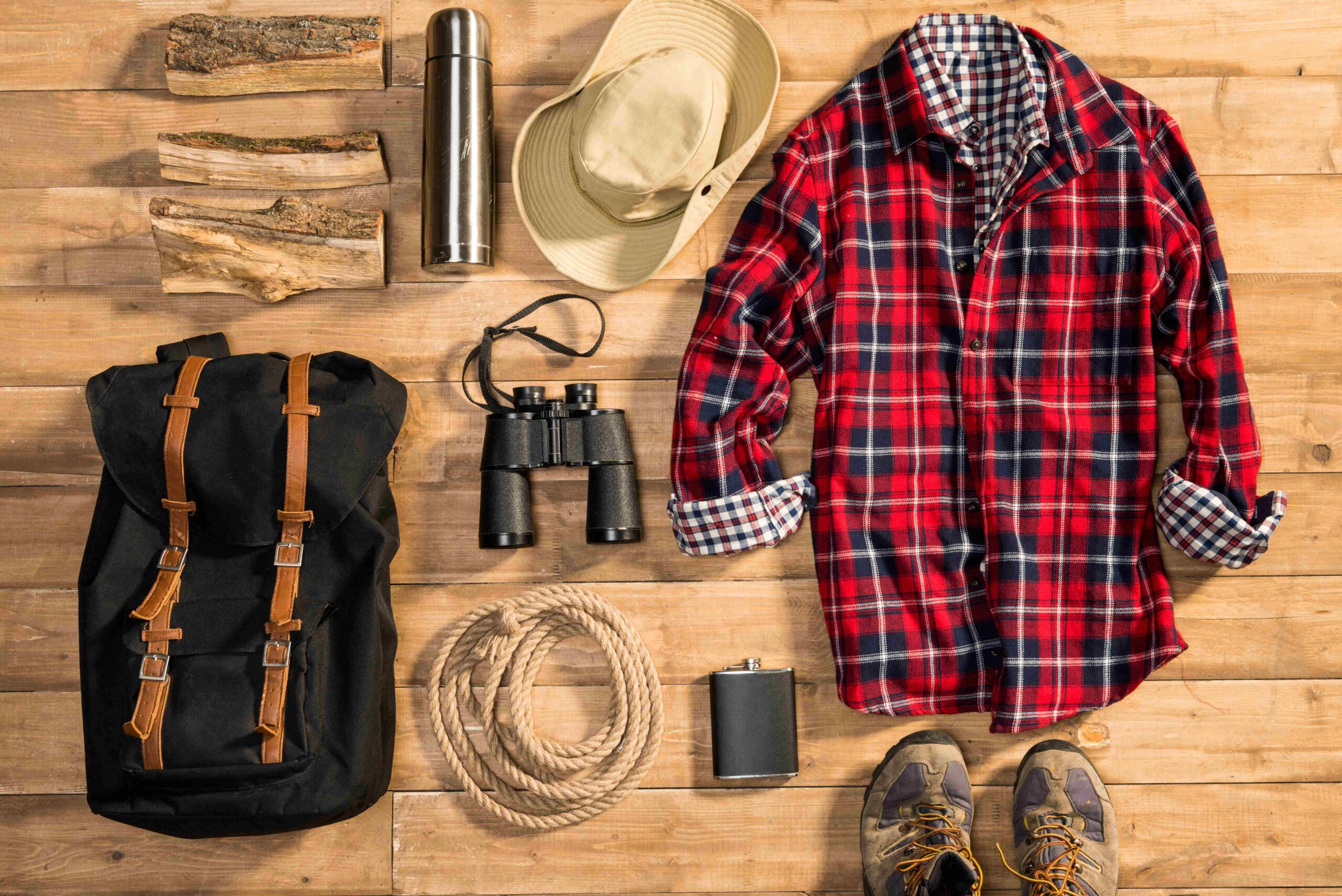
The essential minimum is a first aid kit, flashlight, multi-tool, whistle, and firestarter. Before the hike, check the weather forecast and terrain features to supplement the kit with the necessary items.
6. Select the right footwear and clothing
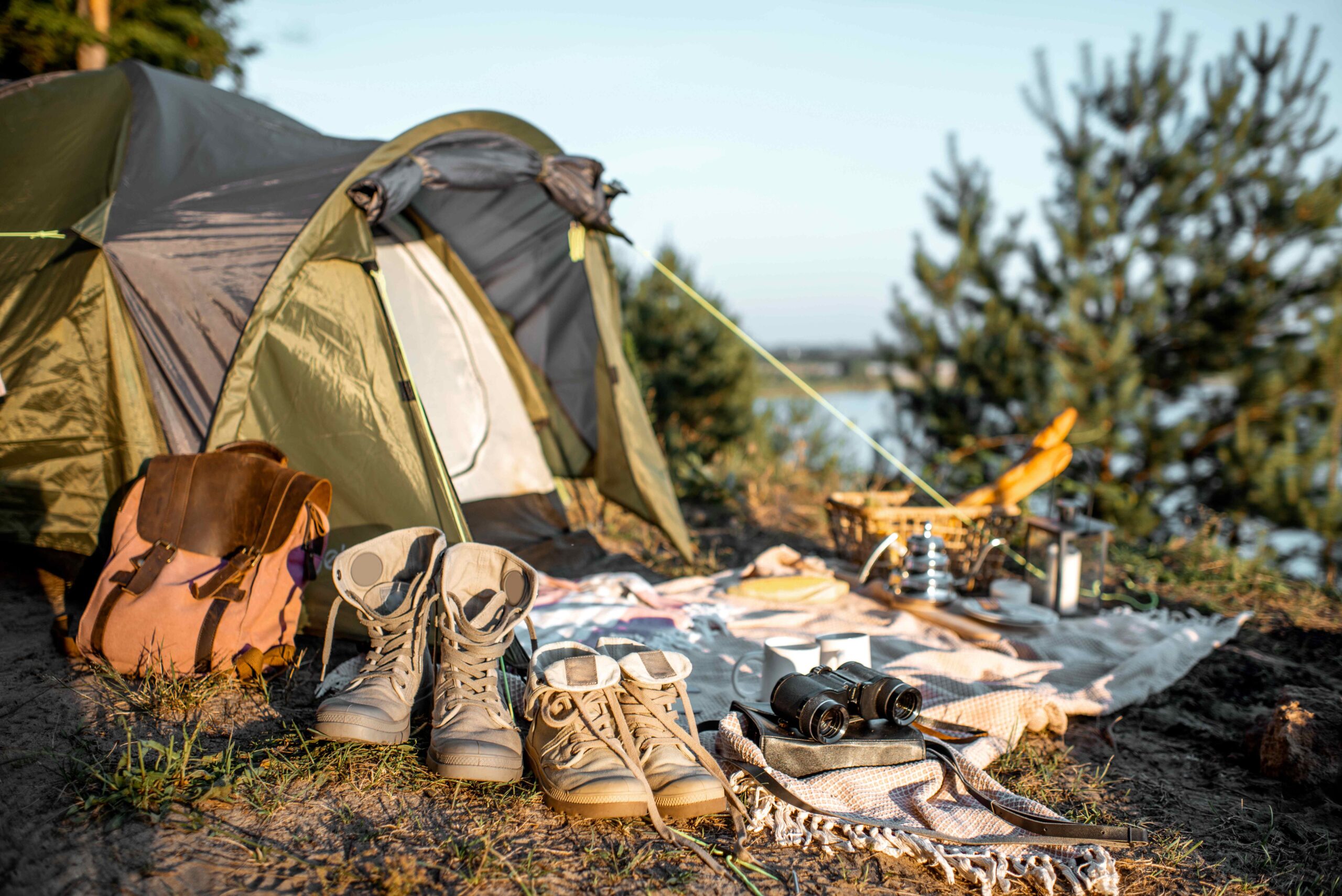
Choose shoes with good support and traction to keep feet dry and protected. Get clothes that are layered, lightweight, and breathable, and don’t forget a hat, sunscreen, and sunglasses.
7. Don’t forget water and food
Drink about half a liter of water per hour and take a supply. For snacks, calorie-dense and nutritious snacks are good. For long routes, it’s worth taking a full meal.
8. Keep clean
Collect all waste and take it or throw it away in designated areas. Leave behind only memories.
9. Stay on the trail
Keep to the trail and respect the surrounding nature. Walking off the trail harms plants and disturbs animals.
10. Respect wildlife
Keep a safe distance: at least 100 meters from bears and large predators and at least 30 meters from other animals. Watching wildlife is fun, but the most important thing is that it is safe and the forest dwellers.